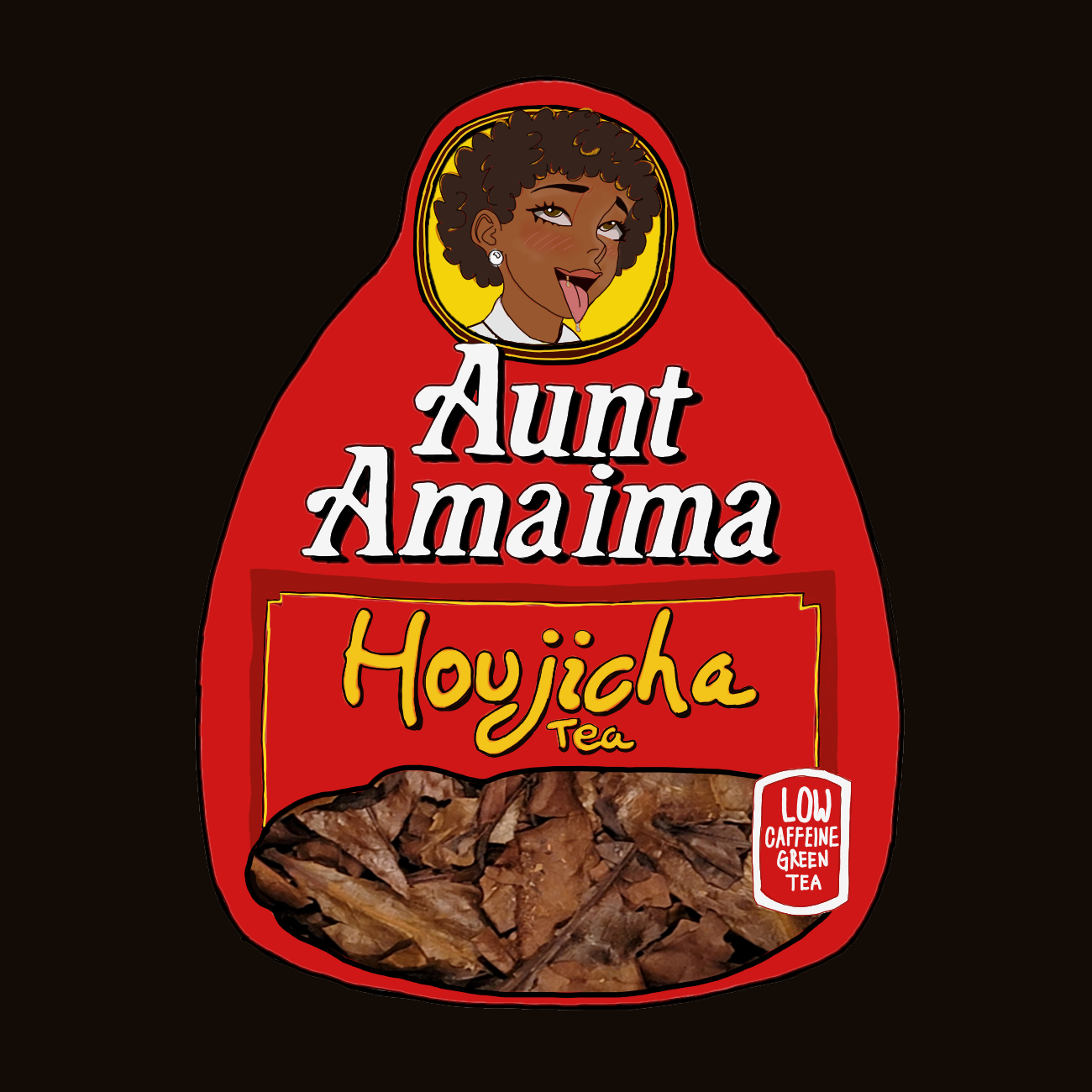
Houjicha ‘Aunt Amaima’ is one of three hojicha I offer in my tea shop (the tea cult), it represents houjicha in the most typical way. Houjicha is ‘roasted tea’ – though without any further specific information given, it will be roasted japanese green tea. Even then, there are many sub-types: Is it roasted shincha? sencha? bancha? tencha? kukicha? etc. When using unusual parts of the leaf (stems) or growing conditions (shade) tea producers will usually inform the customer. For the sake of saying it, of course any tea can be roasted, though I’ve done many experiements over the years — there are reasons why you don’t see roasted white teas, or roasted chinese green teas, etc. They’re simply not that special, and that’s putting it politely. Roasted oolongs are great, Taiwan has a specialty in that. If you want to consider a sister-type tea to this, check out GABA Oolong
It’s safe to say that if you like that GABA tea, you would love this, and vice versa.
Yabukita is the most typical tea plant used in Japan today. Last I checked (admittedly a few years ago) it was over 70% of the planted tea in the country. Shizuoka was recently overtaken as the #1 growing region by Kagoshima last I checked, but suffice it to say that Yabukita Sencha from Shizuoka is about as typical as good Japanese tea will get. Sencha are leaves picked earlier in the spring, while bancha (ordinary tea) is picked later. This houjicha is early spring sencha that is roasted.
There is (like coffee) a point in roasting in which flavors are reaching an apex, and once passed, there begins the destruction of flavor. There are too many hojichas taken too deep into the roast, they become smokey, carbon-y, ceramic, etc. With the roasting comes bitterness from burning, or smokiness from too hot of a temperature. My point is that these are avoidable negatives that a good roaster with good leaves will be able to prevent.
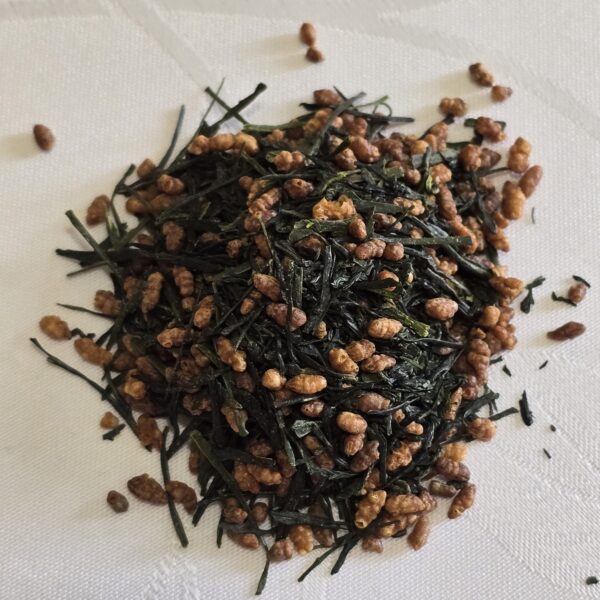
Hojicha, like genmaicha, fit a certain traditional japanese flavor niche. They’re ordinary, even when they’re extraordinary they dont tend to be celebrated. They don’t get a chance to sit in the spotlight like great sencha, matcha, or gyokuro. They’re simply too ordinary. The silver lining to this is that for people who enjoy these types of teas, they don’t really every have the chance to become critically expensive.
Preparing this tea costs just over $1 per pot. What a steal.
I think you could go your whole life without finding a better hojicha than this. It’s in the very short list of best hojicha I’ve had (and I probably taste more different hojicha’s per year than the average tea shop owner). If you like hojicha, this is a great one. Yes it’s typical, but typical can be a good thing. It tastes like hojicha should taste — I know should is a loaded word here, but I won’t get into that. I have other hojicha for sale that is a-typical, if you’re looking to branch off see how vast and exciting the world is. If this were ice cream, this is vanilla. A great vanilla.